
Skip to content
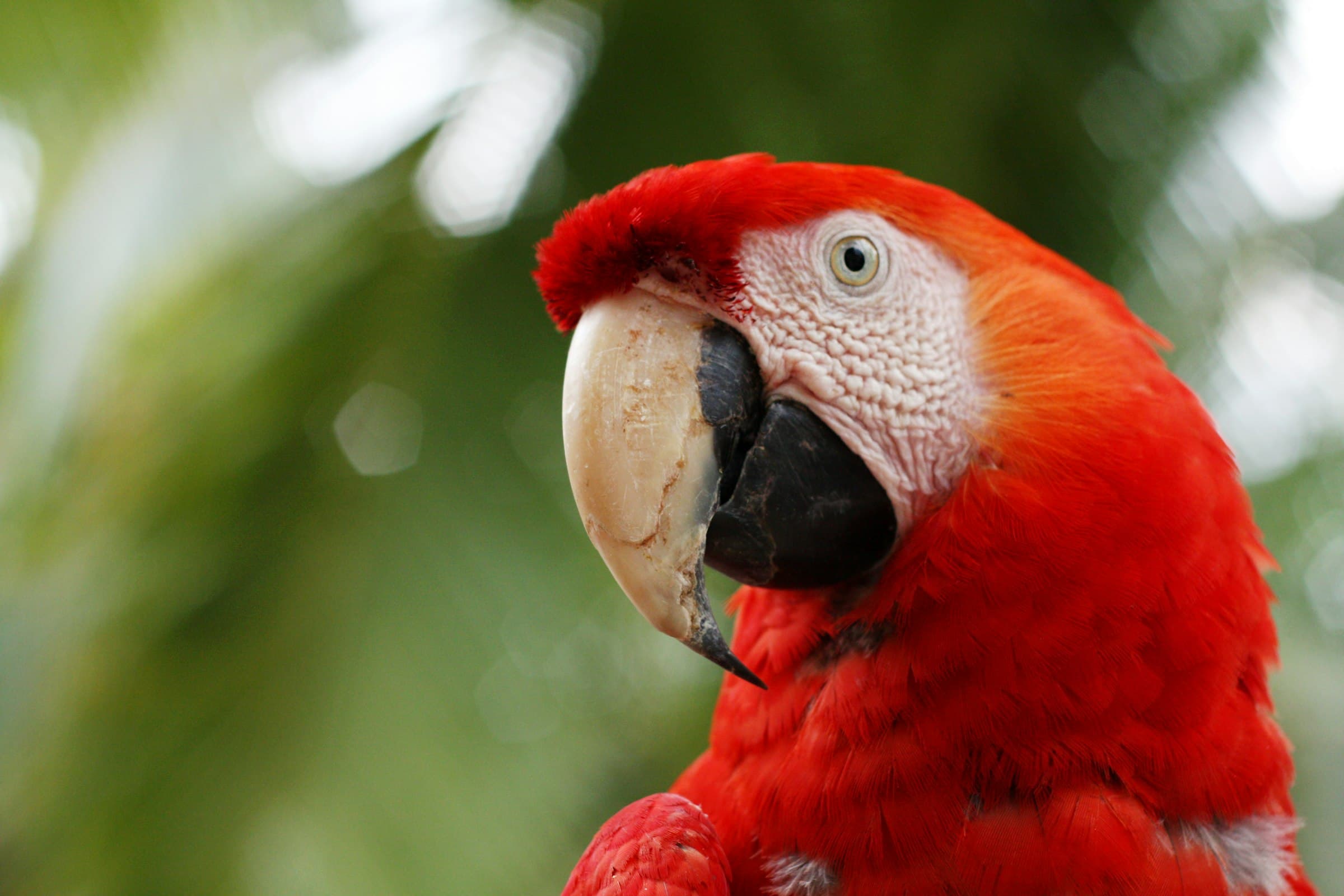
A scarlet macaw up close, pale beak and the white patch around its eye, against blurred green foliage

Online lessons.Costa Rica, on your screen.

One to one over video with a Costa Rican teacher. Conversation from day one, on your schedule, wherever you are.

Book a lesson

Who teaches

The classes are not run by a platform. They are run by a person.

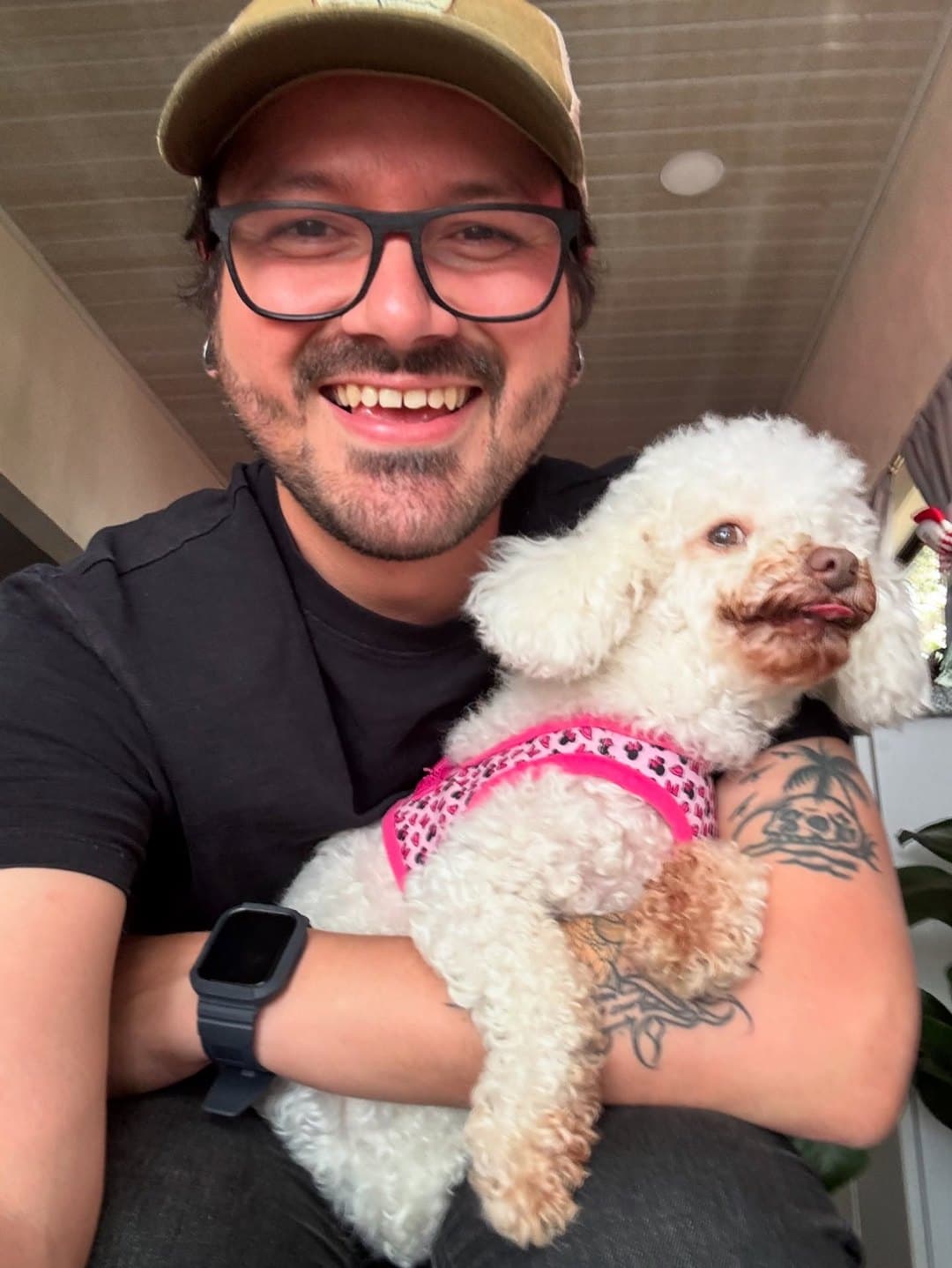
  • Chris Pow, the teacher

    Costa Rican teacher

    Chris Pow

    A Costa Rican living in Switzerland. He teaches the Spanish that is actually spoken in Costa Rica — the voseo, the slang and the tone, not just textbook grammar.

    • Tico, from Costa Rica
    • Teaches from Switzerland
    • Voseo and slang
    • Teacher's timezone: Europe/Zurich
    Book a lesson

What an online lesson is like

One-to-one video lessons with a Costa Rican teacher. He is based in Switzerland, so there are slots that work for both Europe and the Americas.

How it works

  1. Pick a slot

    Times are shown in your own zone and in Costa Rica's, so there are no surprises.

  2. Hold your lesson

    With a PayPal deposit. You settle the rest directly with your teacher.

  3. Show up

    You get the video call link. Lessons are conversation from day one, not exercise filler.

What you practise

Traditional teaching leans too heavily on the textbook, and plenty of people study for years and still freeze in an actual conversation. Here the weight sits on four things:

  • Speaking
  • Listening
  • Pronunciation
  • Real-life communication

And the lessons rehearse situations you will actually be in, not filler exercises:

  • Travelling
  • Ordering food
  • Meeting people
  • Work
  • Everyday conversation

Shaped around your goal

Everyone learns differently, and for a different reason. These are the usual ones:

  • Travelling Latin America
  • Spanish for work
  • Talking to family
  • Preparing to relocate
  • The pleasure of learning

The lesson adapts to your level, your goal and what interests you. Instead of a generic syllabus it is a conversation that goes where it needs to go.

Read the full article →

Book a lesson

Tiquismo of the day

Güila

/GÜI-la/

What it means
Kid, child. It is informal and affectionate, and it is used for any gender even though the word ends in -a.
How it is used

Esa güila habla tres idiomas.

«That kid speaks three languages». It is not derogatory: it is affectionate.