
Online
Private, group, and couples' lessons with local teachers — tailored to your schedule, wherever you are.
Start online
Tailored online lessons with local teachers, or a fully immersive learning experience in Costa Rica, from Samara and Manuel Antonio to La Fortuna and San Jose.
More than a language. It's a journey.
Private, group, and couples' lessons with local teachers — tailored to your schedule, wherever you are.
Start onlineImmersion across four stunning destinations. Study in the morning, then spend the rest of the day practising with locals — because that's where Spanish really sticks.
See the destinationsFour places in Costa Rica where you can study by immersion. Pick one and tell us what you are after.
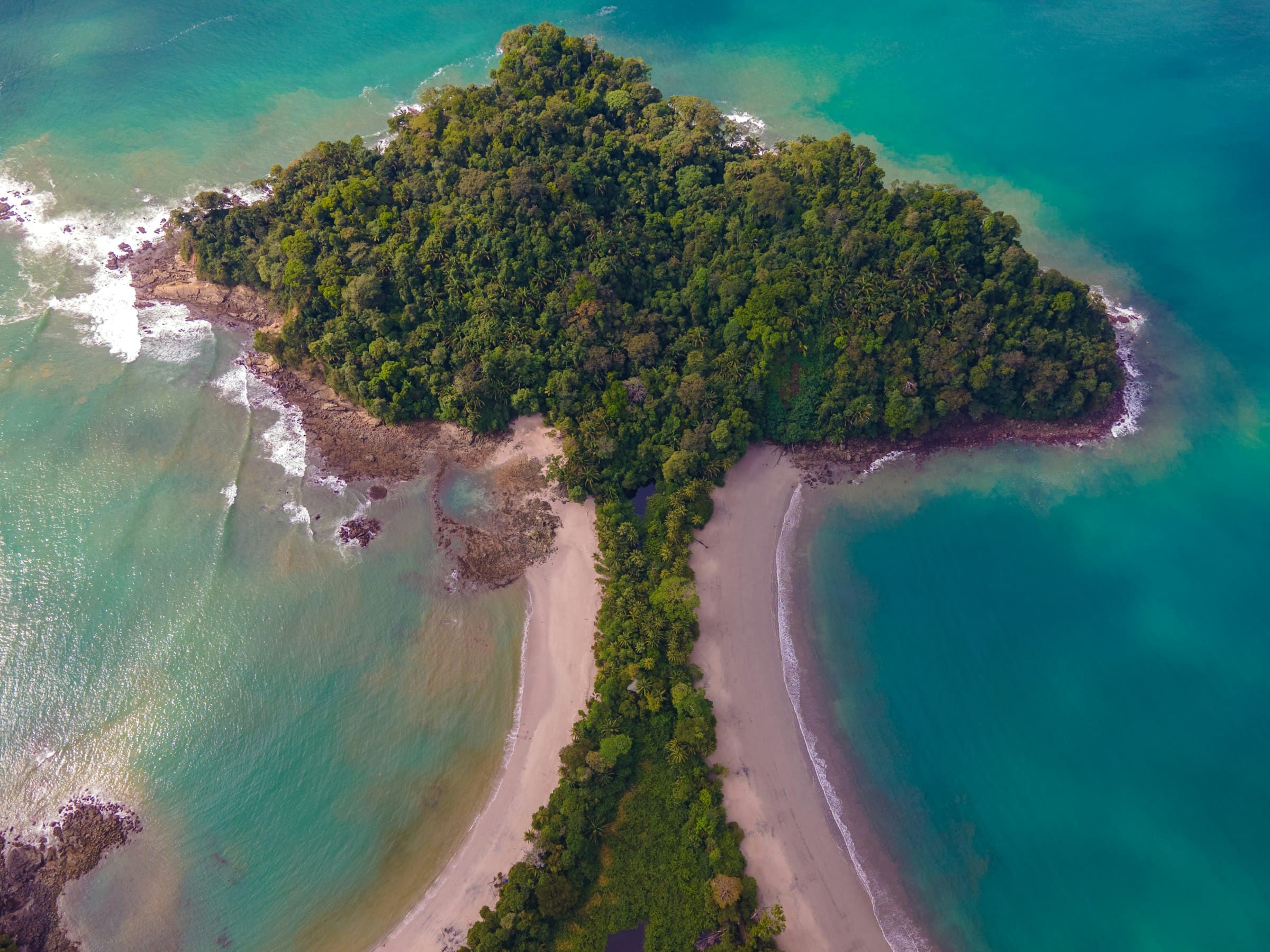
Puntarenas, Pacífico central
Rainforest and beach ten minutes apart
The country's most visited national park, and the smallest of the famous ones: a headland of rainforest dropping into two pale-sand bays. You study in the morning and practise in the afternoon, half an hour's walk away.
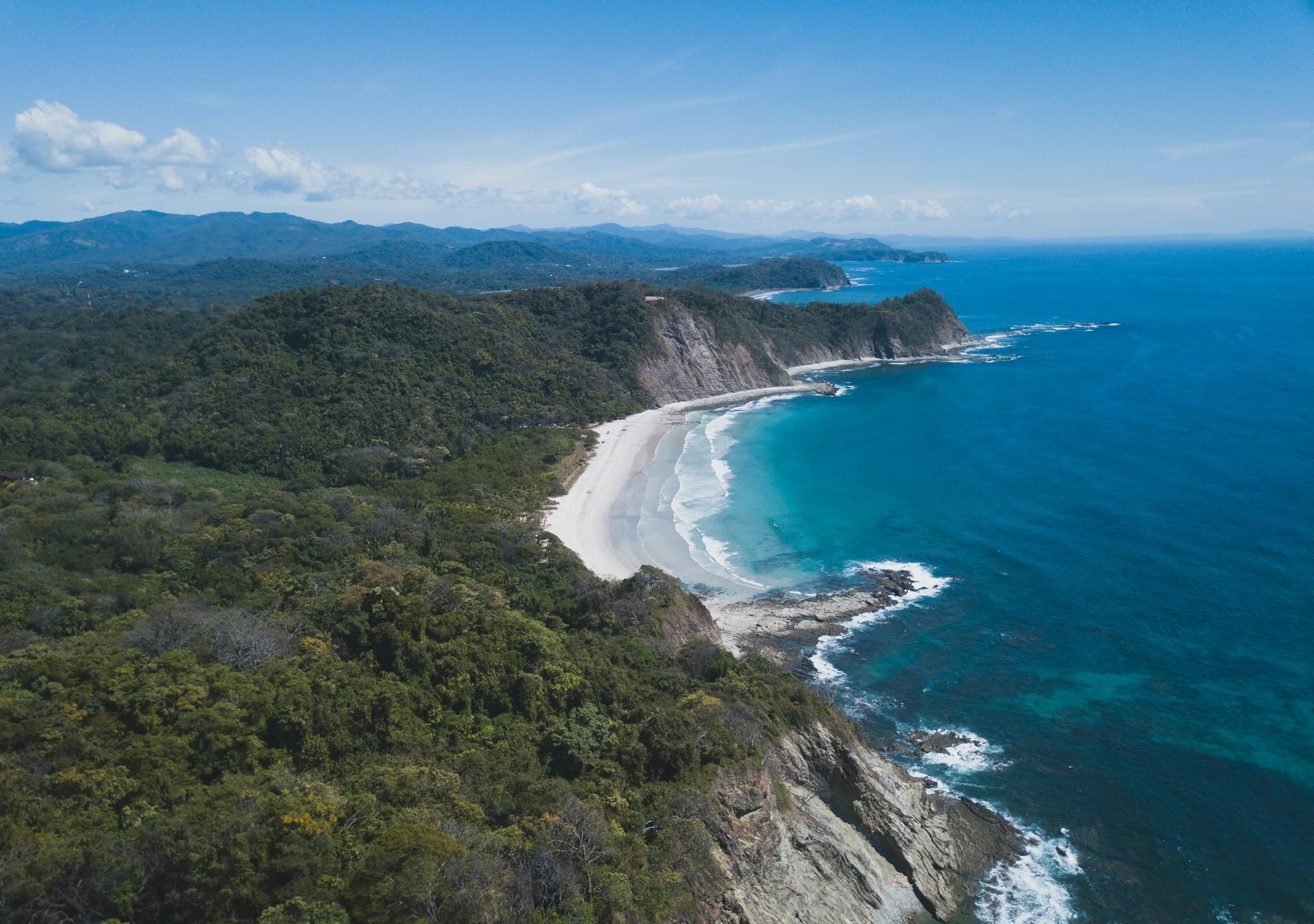
Guanacaste, península de Nicoya
The beach town where people still speak slowly
A bay sheltered by a reef, so the sea comes in calm and you can swim all year. It is one of the few Guanacaste beach towns that never turned fully touristy: at the corner shop and the soda, people still speak Spanish.
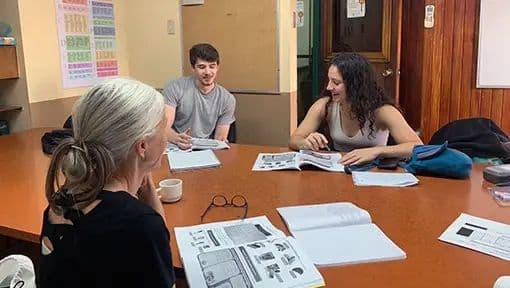
Alajuela, zona norte
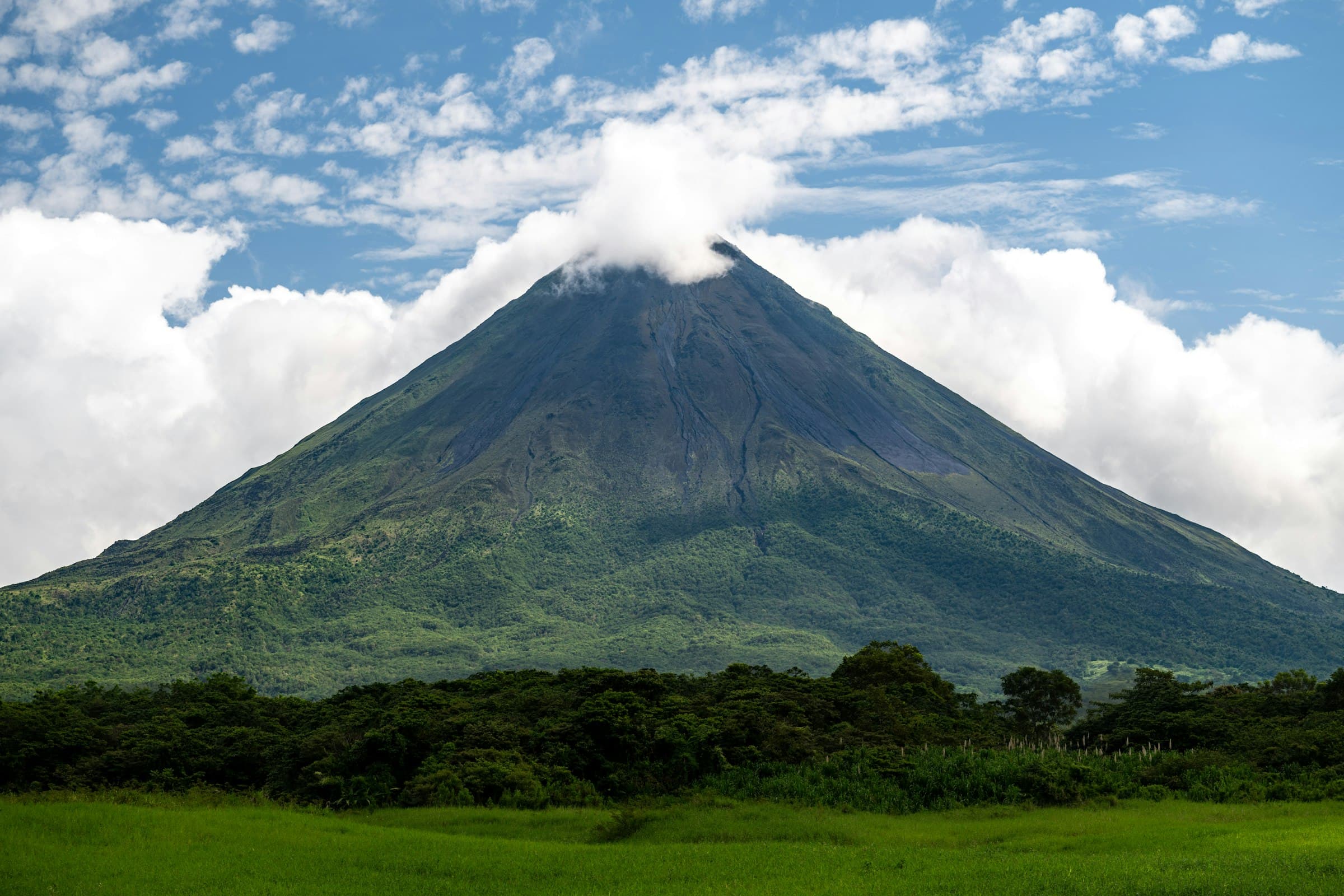
At the foot of the Arenal
The town that grew up facing the Arenal Volcano and its almost perfect cone. Hot springs running warm off the volcano, a waterfall buried in the rainforest, and one of the most recognisable views in Costa Rica.
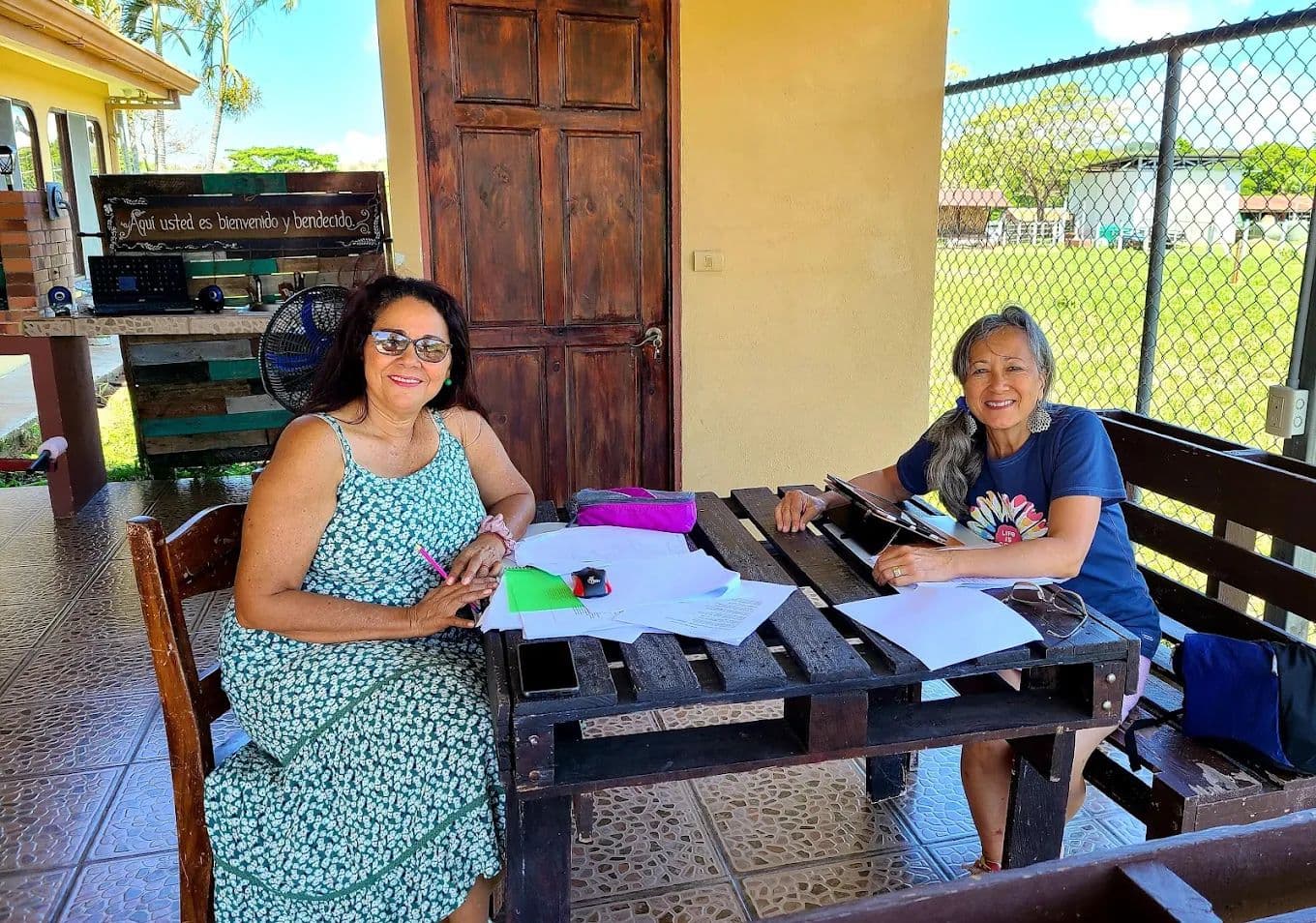
Valle Central
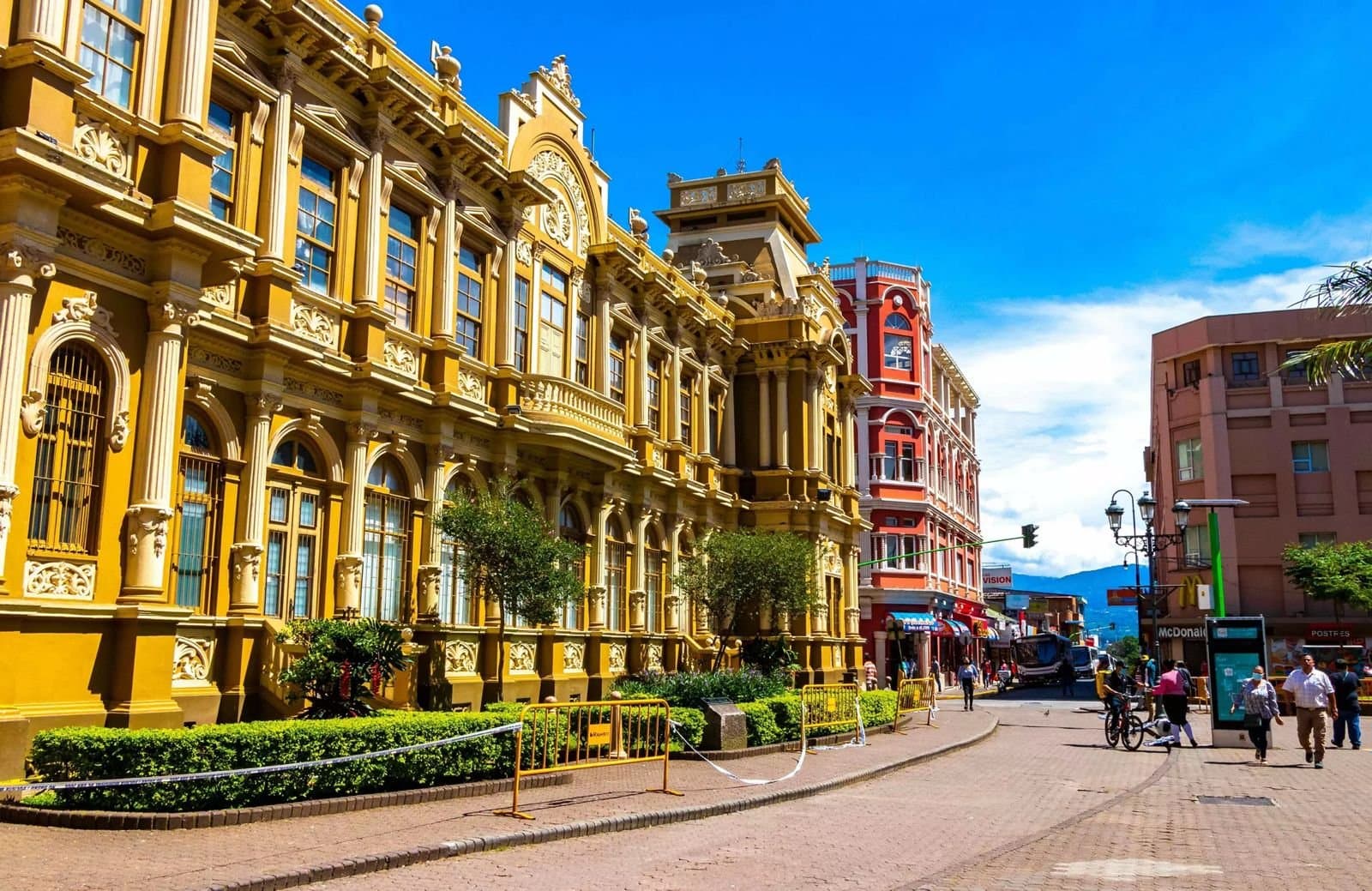
The city where you hear the whole country
It is not the postcard Costa Rica, and that is why it works for learning: a real city, with its neighbourhoods, its traffic and its hurry. Nobody here switches to English to help you out, which is exactly what speeds things up.
Tiquismo of the day
/GÜI-la/
Esa güila habla tres idiomas.
«That kid speaks three languages». It is not derogatory: it is affectionate.
What people ask most before booking. If something is not confirmed yet, we say so.
Mainly in three things: voseo (you say «vos hablás», not «tú hablas»), a very widespread use of the formal «usted» even within families, and its own vocabulary —«mae», «tuanis», «brete», «chunche»— that you will not find in a generic course. The grammar is the same; what changes is what you actually hear on the street.
No. You can start from zero. What does help is saying in the first lesson what you want it for —travelling, moving, working— because someone coming for a three-week holiday is not taught the same way as someone moving there for good.
The teacher lives in Switzerland, so there are slots that work for both Europe and the Americas. On the booking page, times are always shown in your own time zone and in Costa Rica's, so there is no confusion. One thing to watch: Europe changes the clocks twice a year and Costa Rica never does, so the difference between them is not fixed.
A stable connection, headphones and a camera. The camera matters more than it seems: a good part of any conversation lives in the face, and without it half of the correction is lost. There is nothing unusual to install.
In Manuel Antonio, on the Pacific coast, and in La Fortuna, at the foot of the Arenal Volcano. The exact venues are not confirmed yet: we would rather say so than give an address that changes later.
Pending
You hold the lesson with a PayPal deposit and settle the rest directly with the teacher. The deposit amount and the lesson prices are not published yet.
Pending
The cancellation policy is not defined yet. Until it is, the best thing is to agree it directly with the teacher when booking.
Pending
For now booking is set up for one-to-one lessons. Whether there will be conversation groups, and in what format, is not settled yet.
Pending